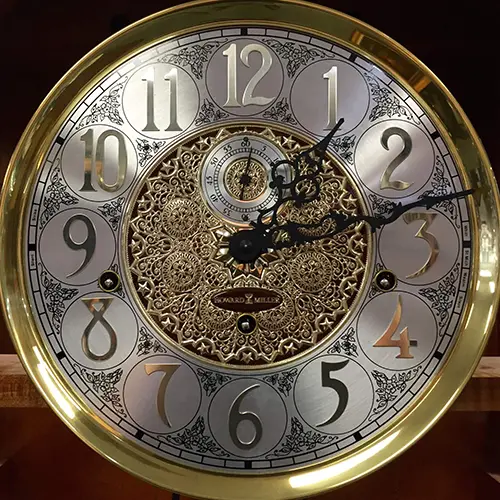
A watch is one of the hardest-working things you own. It's on your wrist all day, it's exposed to heat, sweat, bumps, and water, and it's expected to keep perfect time. When something goes wrong, it's not always obvious what the problem is or who should fix it.
This guide covers the most common watch repairs, what usually causes each problem, and how to find a watch repair shop you can trust in Mesa and the East Valley.
Signs Your Watch Needs Repair
Some problems are obvious, like a cracked crystal. Others are subtle. Watch for:
- The watch has stopped. Often a battery on a quartz watch. On an automatic or mechanical watch, it may need winding, or the movement may need service.
- The second hand jumps in 4-second intervals. Many quartz watches do this as a low-battery warning.
- It's running fast or slow. Magnetism, a worn movement, or old lubricants can affect accuracy.
- Fog or moisture under the crystal. Water has gotten in, which can cause corrosion. This should be addressed quickly.
- The crown is loose, won't screw down, or won't set the time. The stem or crown may be damaged.
- The band is loose, tight, or broken. A sizing or clasp issue.
- Scratched or chipped crystal. Cosmetic at first, but a cracked crystal can let in dust and moisture.
The Most Common Watch Repairs
Watch battery replacement
The most frequent watch repair by far. A proper watch battery replacement isn't just popping in a new cell. The case back should be opened carefully with the right tool, the correct battery fitted, the gasket checked, and the case closed without damaging the seal. Many battery replacements can be done while you wait.
Band sizing and repair
Metal bracelets are sized by removing or adding links. Leather and rubber straps are replaced. Clasps can be adjusted or repaired. A well-fitted band should allow the watch to move slightly without sliding over your wrist bone.
Crystal replacement
Watch crystals are made of acrylic, mineral glass, or sapphire. Acrylic scratches easily but can often be polished. Mineral glass resists scratches better. Sapphire is very scratch-resistant but can chip or crack with a hard impact. A cracked crystal should be replaced to protect the dial and movement.
Crown and stem repair
If the crown spins freely or pulls out, the stem may be broken. This is a common repair that restores the ability to set the time and, on many watches, helps keep water out.
Movement service
Mechanical and automatic watches rely on tiny gears, springs, and oils. Over the years, lubricants break down and parts wear. A full service (sometimes called an overhaul) involves disassembling, cleaning, lubricating, reassembling, and regulating the movement. See our guide on watch service for what that involves.
Water resistance and gasket replacement
Gaskets dry out and crack over time. If you swim or shower with your watch, it's worth having the gaskets checked periodically.
Quartz vs. Automatic: Why It Matters for Repair
Quartz watches run on a battery and a quartz crystal oscillator. They're accurate and low-maintenance. Most repairs are batteries, bands, crystals, and occasionally a replacement movement.
Automatic and mechanical watches are powered by a wound mainspring. They don't need batteries, but they do need periodic service to stay accurate and healthy.
Knowing which type you have helps set expectations for cost and timeline. If you're not sure, a jeweler can tell you in seconds.
What Affects Watch Repair Cost
Every watch is different, so we don't publish one-size-fits-all prices. The main factors are:
- Type of movement - quartz is generally simpler than mechanical.
- Brand and parts availability - some brands require specific parts.
- Complications - chronographs, date functions, and other features add complexity.
- Condition - water damage or rust increases the work required.
- Water resistance testing - needed if you want the watch to stay water resistant after service.
At Brilliant Jewelry, we look at the watch with you and give you a clear price and timeline before any work begins.
How to Choose a Watch Repair Shop
Not every place that sells watch batteries is set up to repair watches. When you're looking for watch repairs near you, ask:
- Is the work done in-house? Shops that send everything out add time and an extra set of hands.
- Will they explain the problem before charging you? You should know what's wrong and what it will cost.
- Do they have the right tools? Case openers, presses, and gasket tools matter. A slipped knife can scratch a case back.
- Will they tell you when a repair isn't worth it? Honest advice sometimes means saying a watch needs only a battery, not a full service.
Caring for Your Watch Between Repairs
- Don't set the date on many mechanical watches during the late evening to early morning window when the date mechanism is engaged, unless your watch manual says it's safe.
- Keep watches away from strong magnets like speakers and phone cases with magnetic closures.
- Rinse with fresh water after exposure to salt water or chlorine if your watch is water resistant.
- Store automatics on a winder or wind them regularly if you don't wear them every day.
- Replace dead batteries promptly. A dead battery left in a watch can leak and damage the movement.
Watch Repair in Mesa With a Family Jeweler
Brilliant Jewelry is a fourth-generation, family-owned private jeweler in Mesa. We handle watch batteries, band sizing, crystals, and movement service on our own bench, with honest answers and clear pricing. We serve Mesa, Gilbert, Chandler, Tempe, Queen Creek, and the rest of the East Valley.
Book your watch repair appointment or call or text (480) 331-8652.