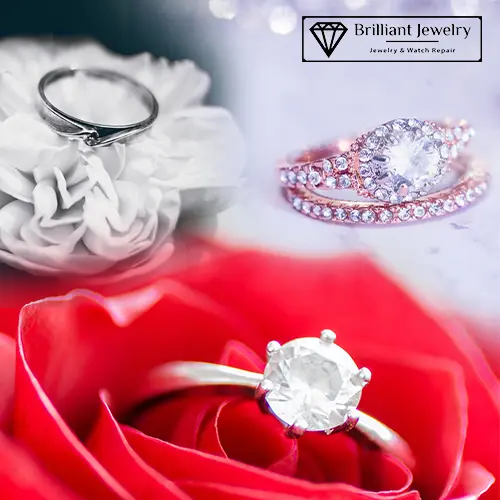
Lab grown diamonds have changed how many people shop for engagement rings and diamond jewelry. They offer the look and physical properties of a diamond, usually at a significantly lower price than a comparable natural stone. They also come with tradeoffs that are worth understanding before you buy.
This guide explains what lab grown diamonds are, how they're made, how they're graded, what affects their price, and how to decide between lab grown and natural.
What Is a Lab Grown Diamond?
A lab grown diamond is a real diamond made of crystallized carbon, the same as a natural diamond. It has the same hardness, the same optical properties, and the same chemical composition. The difference is where and how it formed: in a controlled laboratory environment instead of deep in the earth.
Lab grown diamonds are not the same as diamond simulants. Cubic zirconia and moissanite are different materials that look similar to diamond but have different properties. A lab grown diamond is a diamond.
How Lab Grown Diamonds Are Made
There are two main methods:
- HPHT (High Pressure, High Temperature) recreates the intense pressure and heat under which natural diamonds form.
- CVD (Chemical Vapor Deposition) grows diamond layer by layer from carbon-rich gas in a vacuum chamber.
Both methods can produce high-quality diamonds. Some stones receive post-growth treatment to improve color. A reputable seller should disclose this. For more background, read how diamonds are made.
How Lab Grown Diamonds Are Graded
Lab grown diamonds are graded on the same 4Cs as natural diamonds:
- Cut - proportions and finish, the biggest driver of sparkle
- Color - how colorless the stone is
- Clarity - internal and surface characteristics
- Carat - weight
Grading reports for lab grown diamonds state that the stone is laboratory grown. Many lab grown diamonds also have a laser inscription on the girdle identifying them as lab grown. Ask to see the report and, where available, the inscription under magnification.
What Affects the Price of Lab Grown Diamonds
Prices for lab grown diamonds have changed a great deal over the past several years and can vary widely between sellers. The main factors are:
- Carat weight - larger stones cost more.
- Cut quality - better cut stones cost more and look better.
- Color and clarity - higher grades cost more, though the jump is smaller than with natural stones.
- Shape - round brilliants typically cost more than fancy shapes.
- Grading report - stones with a report from a recognized lab provide more confidence.
Because pricing moves, we don't publish fixed prices. At a consultation, we'll show you current options in your budget side by side.
Lab Grown vs. Natural: The Honest Tradeoffs
Advantages of lab grown
- Lower cost for size and quality. You can often choose a larger or higher-grade stone for the same budget.
- Same look and durability. Lab grown diamonds are as hard and as brilliant as natural diamonds.
- Known origin. Some buyers value knowing exactly where their stone came from.
Considerations
- Resale value. Lab grown diamonds generally have limited resale value compared to natural diamonds. If you think of a diamond as a store of value, natural may suit you better.
- Rarity and sentiment. Some people care that a natural diamond formed over geologic time. That's a personal choice, not a technical one.
- Market change. Lab grown prices have tended to fall over time, which affects what your stone might be worth later.
We cover this comparison in depth in our article on lab grown diamonds vs. real diamonds.
Lab Grown Diamonds in Engagement Rings
Lab grown diamonds are a popular choice for engagement rings, especially for couples who want a larger center stone or want to put more budget toward a custom setting or wedding bands. Every setting style works with a lab grown stone: solitaire, halo, three-stone, bezel, or hidden halo.
Lab Grown Diamond Jewelry Beyond Rings
Lab grown diamonds are used in stud earrings, tennis bracelets, pendants, eternity bands, and chains. For pieces with many stones, like tennis bracelets, lab grown can make a fuller design more accessible.
Can a Jeweler Tell the Difference?
Lab grown and natural diamonds can't be reliably distinguished by the naked eye or by a basic diamond tester. Gemological labs use advanced instruments to identify origin. That's why the grading report and inscription matter.
Caring for Lab Grown Diamonds
Care is exactly the same as for natural diamonds:
- Clean with warm water, mild dish soap, and a soft brush.
- Remove rings for heavy work, gardening, and chlorine.
- Have prongs checked periodically.
- Store pieces separately to avoid scratches.
See our jewelry care tips for more.
Insuring and Appraising Lab Grown Diamonds
Lab grown diamond jewelry can and should be insured. An appraisal documents the stone, its lab grown origin, and replacement value.
How to Buy a Lab Grown Diamond With Confidence
- Ask for a grading report from a recognized laboratory.
- Prioritize cut quality.
- Ask whether the stone has been treated after growth.
- Look at stones side by side in person if possible.
- Buy from a jeweler who will set, size, and service the ring for years to come.
Shop Lab Grown Diamonds With a Mesa Private Jeweler
At Brilliant Jewelry, we offer both natural and lab grown diamonds and help you compare them honestly, without pressure. We're a fourth-generation family jeweler at 1237 S Val Vista Dr Ste 204 in Mesa, and our custom design work lets you build the exact ring you want around the stone you choose.
Book a free lab grown diamond consultation or call or text (480) 331-8652.